Category: Calligraphy

  • Writings on Fans

    I Round Fan 團扇

    The history of the round fan, known as Tuánshàn (团扇), has a very long and rich history in China for more than 2000 years.

    Originally made of feathers or bamboo, the round fan evolved into the “silk fan” during the Han Dynasty (206 BC – 220 AD). With the development of fine silk production, the circular silk fan emerged as a lightweight and visually appealing object. It was primarily used by the imperial family and high-ranking officials, earning the name Gōngshàn (宫扇) or “Palace Fan.” Frames were crafted from bamboo, bone, or ivory, while the covers were made of fine silk or gauze. Its smooth surface made it particularly suitable for painted decoration.
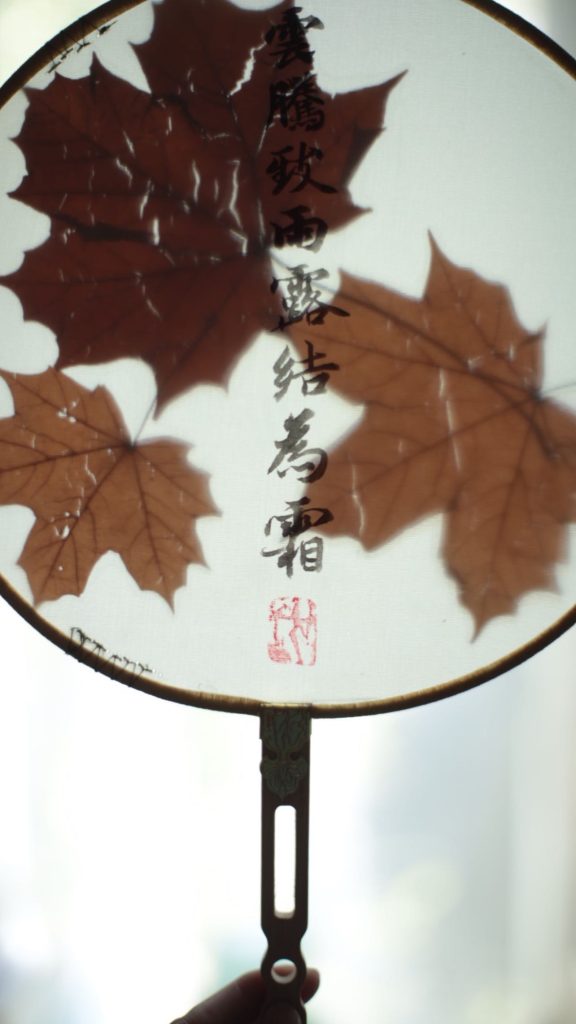
    露结为霜
    露结为霜

    During the Tang (618–907) and Song (960–1279) Dynasties, the round fan transitioned from a fashion accessory to a legitimate medium for fine art.

    Landscapes, birds-and-flowers, and delicate calligraphy were particularly popular as subject matters for the fan covers. Famous painters began treating the silk surface of the fan as a canvas. Because the space was limited and circular, it forced artists to develop a unique style of “intimate” composition. Their compact, circular format encouraged compositional innovation, requiring artists to rethink spatial balance within a confined, curved field.

    Importantly, the fan was portable and intimate. Held in the hand, seen at close range, often exchanged socially— an ideal personal carrier of artistic expression.

    The Song Dynasty was the undisputed “Golden Age” of the round fan, largely because the emperors themselves were obsessed with the format. It wasn’t just a trend; it was an imperial mandate that transformed the Tuánshàn (团扇) into a high-stakes test of artistic skill.

    Emperor Huizong (r. 1100–1126) was perhaps the greatest royal patron of the arts in history. He famously used round fans to test the wit and “poetic imagination” of his court painters.

    Instead of asking them to paint a mountain, he would give them a line of poetry. The artists had to fit a complex narrative into the small, circular silk space. One famous test used the line: “Bamboo grove hides a wine shop by the bridge.” Most artists painted the shop and the trees.

    • The winner, however, painted only a lush bamboo forest with a single wine flag peeking out from the leaves.

    By demanding this on a round fan, Huizong forced artists to master “the art of the empty space” (留白)

    It was a Song tradition for the Emperor to write calligraphy or paint a small scene on a round fan and gift it to a high-ranking official as a sign of extreme favor. This created a “trickle-down” demand.

    • Because the Emperor was constantly gifting fans, every artist in the Imperial Painting Academy (Hanlin Huayuan) was required to produce hundreds of high-quality “fan faces.”
    • This created a massive collection of “album leaves” (circular paintings removed from their frames and saved in books), which is why we have so many surviving Song fan masterpieces today.

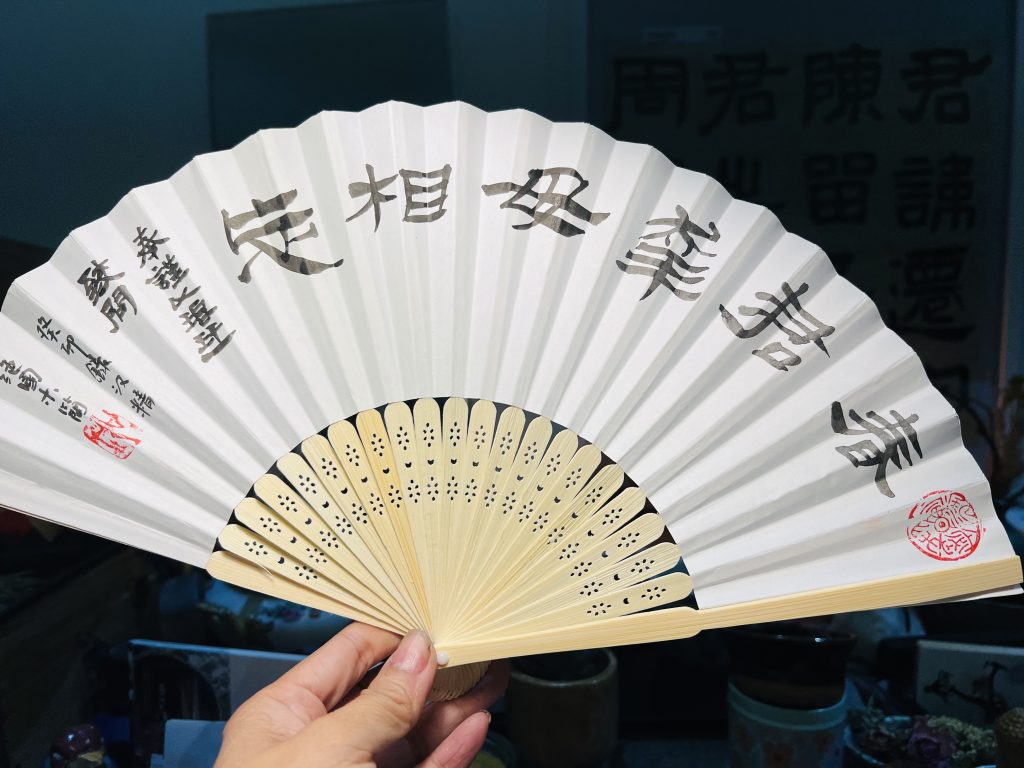
    Its circular shape symbolises union, perfection and happiness, round fans provided highly sophisticated canvas for art and calligraphy, spreading from the prestigious court artists to the elite literati class, who loved the romantic canvas for expression.
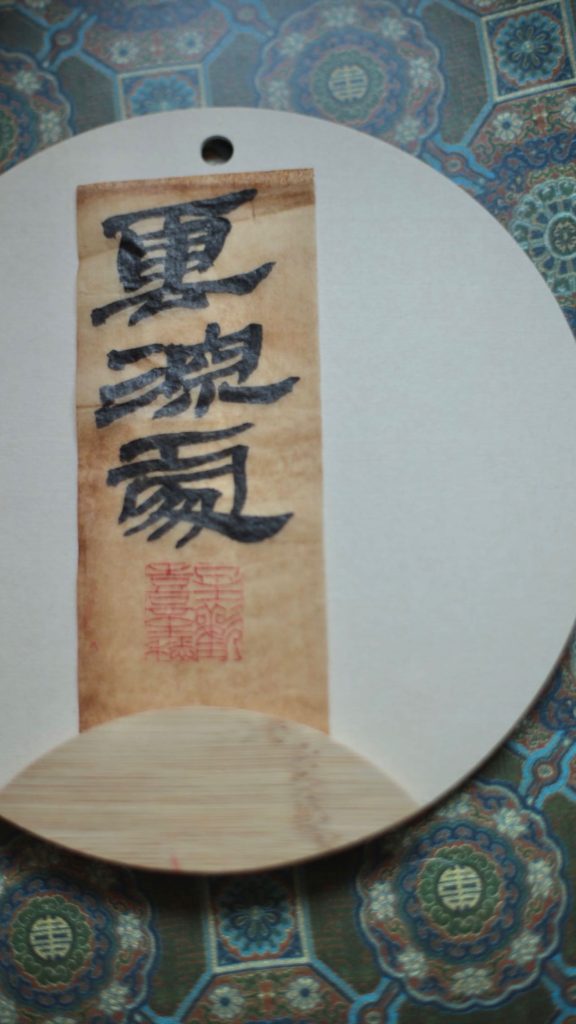
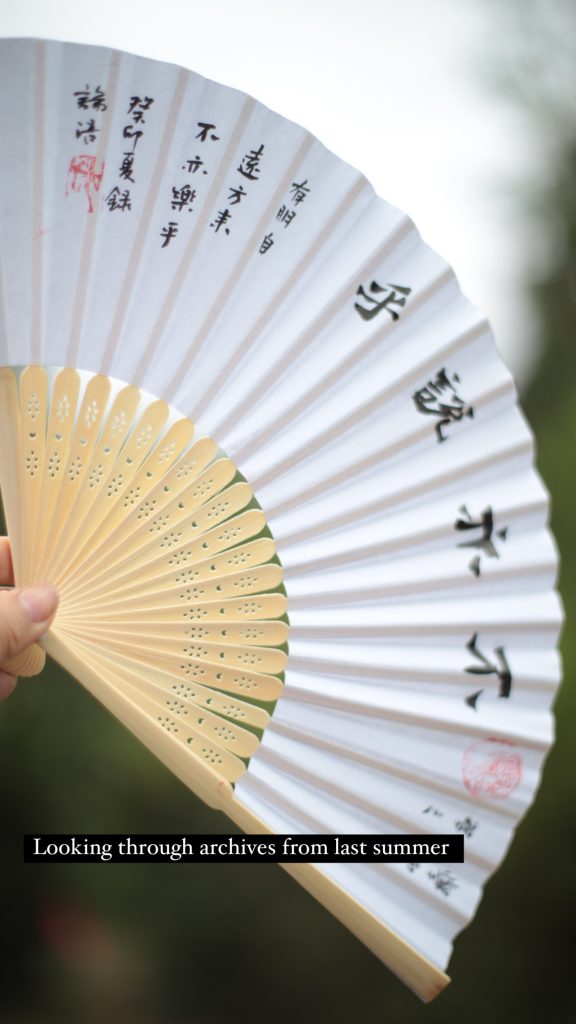
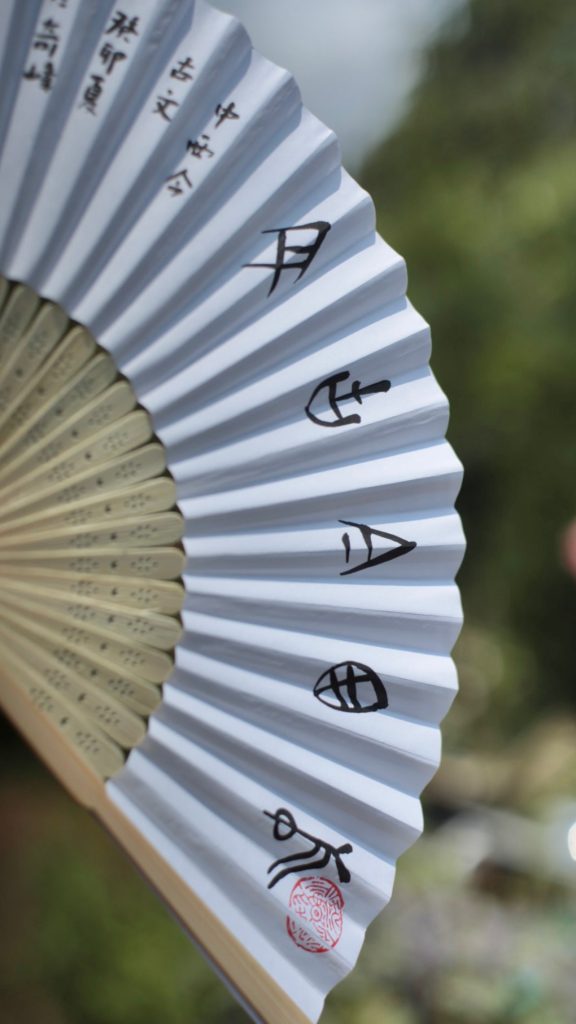
    云深处 Far Away in the Clouds
    有朋自远方来 不亦乐乎
    中西今古文
    春君幸勿相忘

  • 夜临颜真卿争座位帖

    A draft court report / critique written in 8th century

  • 祝允明小楷

    Winter evenings are perfect for writing practice

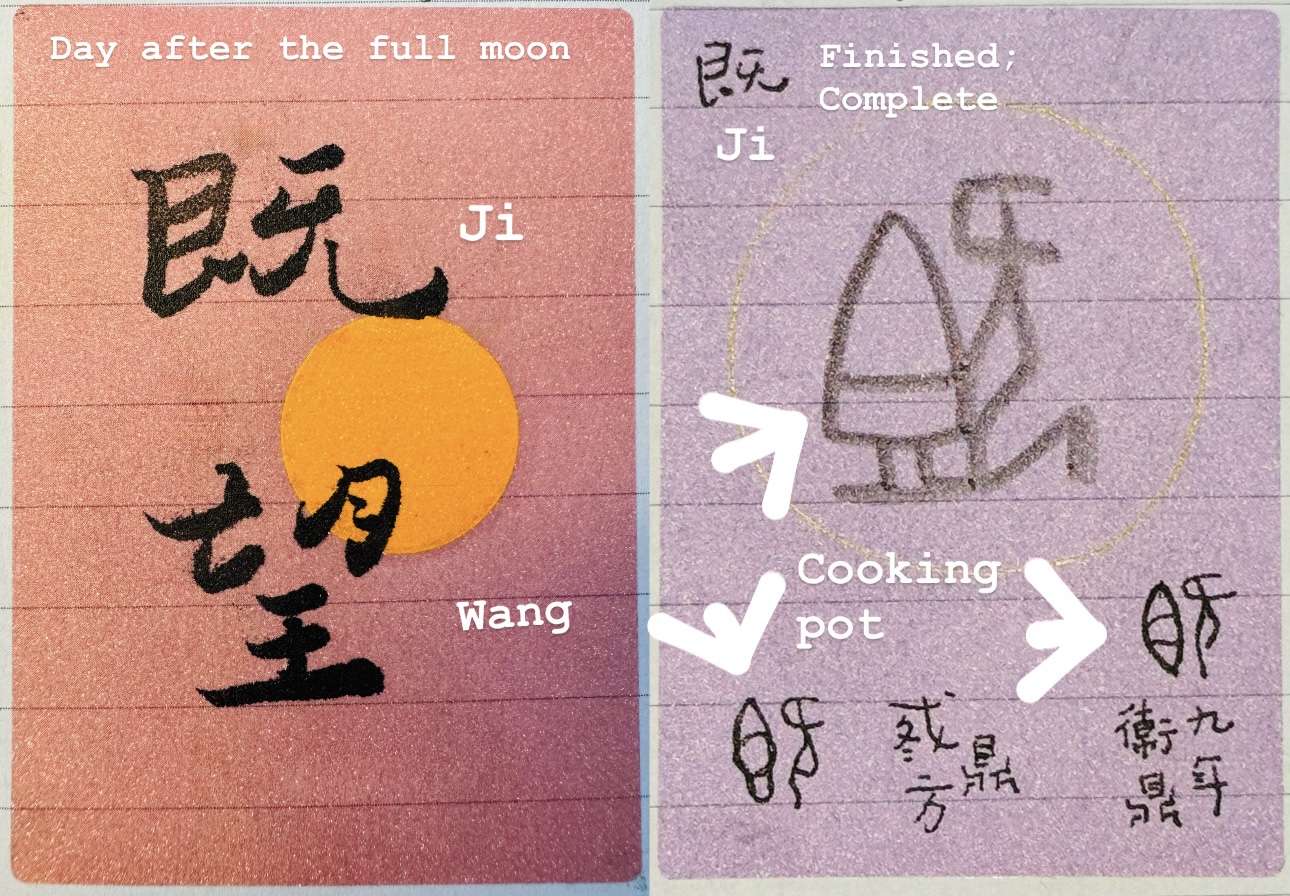
  • Full moon’s day and the day after 望与既望

    Full moon’s day and the day after 望与既望

    I wrote two small articles over on Substack on the fun subject of oracle bones and bronze script characters. They were down pictures of people’s lives and surroundings three thousand years ago in the middle of China on the flood plains of the Yellow River.

    The After Look 既望 by Shijun’s Studio Stream

    or dinner is ready

    Read on Substack

    Wet Snow Moon 雪月之望 by Shijun’s Studio Stream

    and the huge eye that looks at it

    Read on Substack
  • Living Characters

    Living Characters

    自然中的古文字

    On going project — recording ancient Chinese characters in its various forms with seasons


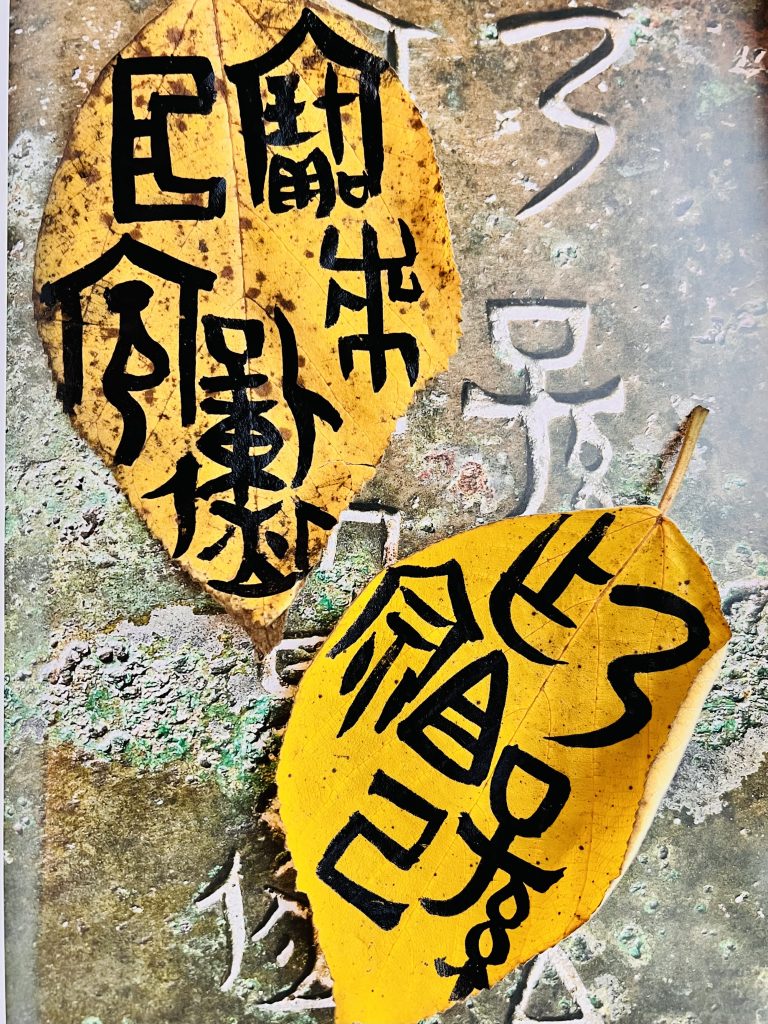
    A big part of my work focuses on the primordial roots of the written word: Oracle Bone Script (甲骨文), Bronze Inscriptions (金文), they both belong to the category of Great Seal Script (大篆).


    In 甲骨文 (Oracle Bone Script), I find the raw, skeletal origins of communication. These characters were born from fire and divination, etched into bone with a sharp urgency. As my brush mimics these ancient incisions, I connect with the earliest human desire to record and reason with the seen and unseen world.


    Moving into the heavier, more rhythmic lines of 金文 (Bronze Inscriptions), the practice becomes more resonant. The fluidity of characters cast in ritual bronze vessels teaches me about the “weight” of a line—how ink can carry the gravity of history while maintaining the flow of water.


    These 大篆 (Great Seal Script) forms are the very roots of the Chinese language and calligraphy practices I am drawn to deeply and that I apply to my broader artistic folios.


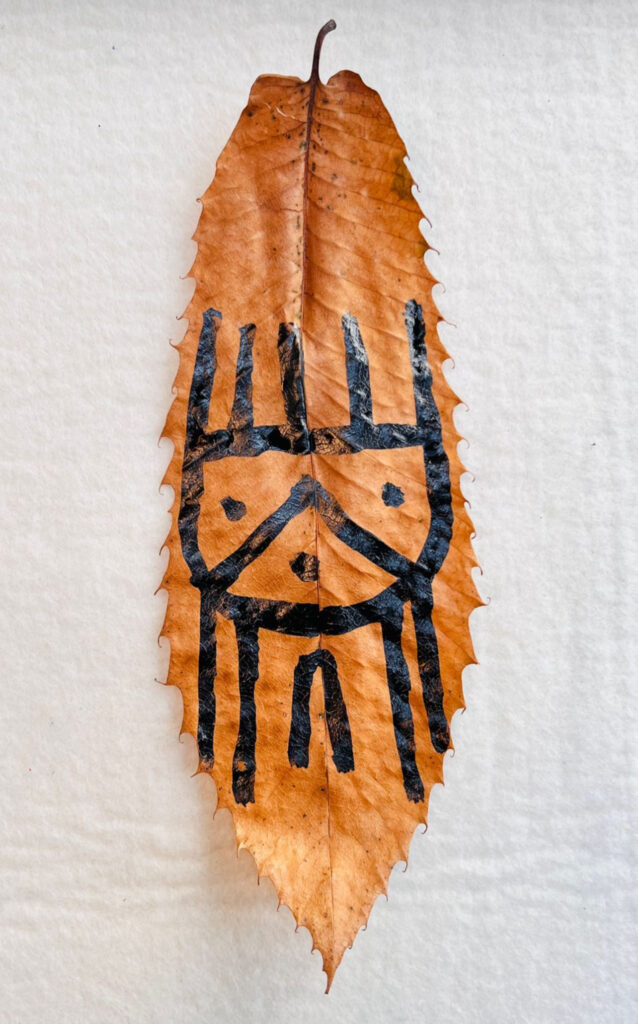
    More than three thousand years old but for me they are still Living Characters. Calligraphy is not confined to the scholar’s desk; it is a practice of everyday living. Whether I am applying ink to paper and silk, or tracing temporary strokes onto wood, petals, bark, and ice, the character remains a living entity. Writing on ice allows the character to melt back into the earth; writing on a petal allows it to wither and transform.

    My practice is deeply tied to the turning of the year, treating the environment not just as a backdrop, but as a participant in the work. By writing on ephemeral materials—fallen autumn leaves, spring petals, winter ice, and summer bark—I engage in a dialogue with time itself. This ephemeral practice reminds me that art, like the ancient scripts that preceded us, is a continuous cycle of creation and return.

    yellow autumn oak  leaves featuring Oracle Bone Script calligraphy for Winter, 写着甲骨文冬字的秋天金色橡树叶子
    winter 冬 on Oak

    Winter “冬” came from “终”: end, finished.

    you have to be on all fours at floor level to play with a baby/toddler, with wild hair, and of course on all fours too

    yellow autumn chestnut  leaves featuring Oracle Bone Script calligraphy for Son, 写着甲骨文星子的秋天金色栗子树叶子
    child/baby 子 on Sweet Chestnut
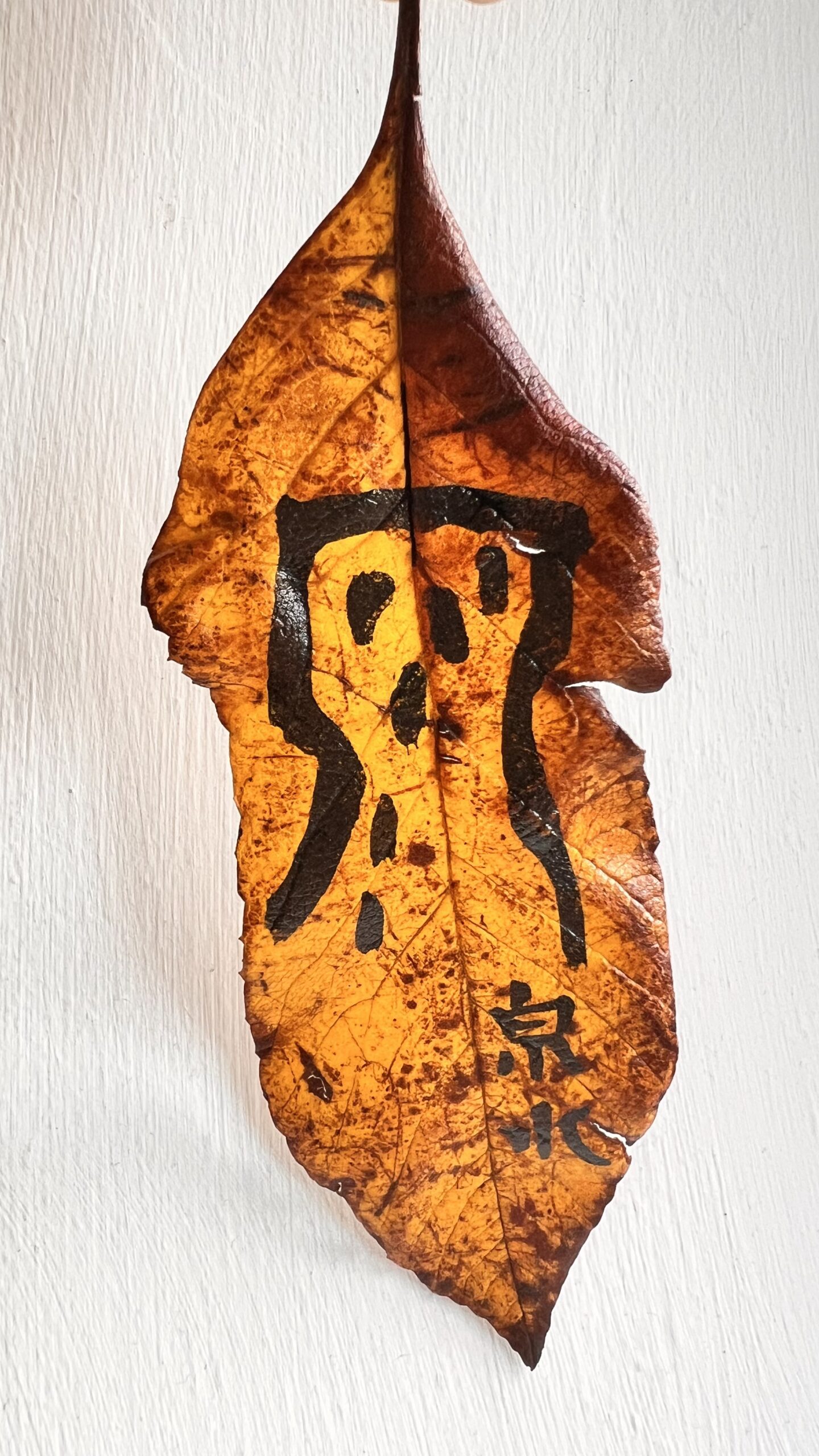
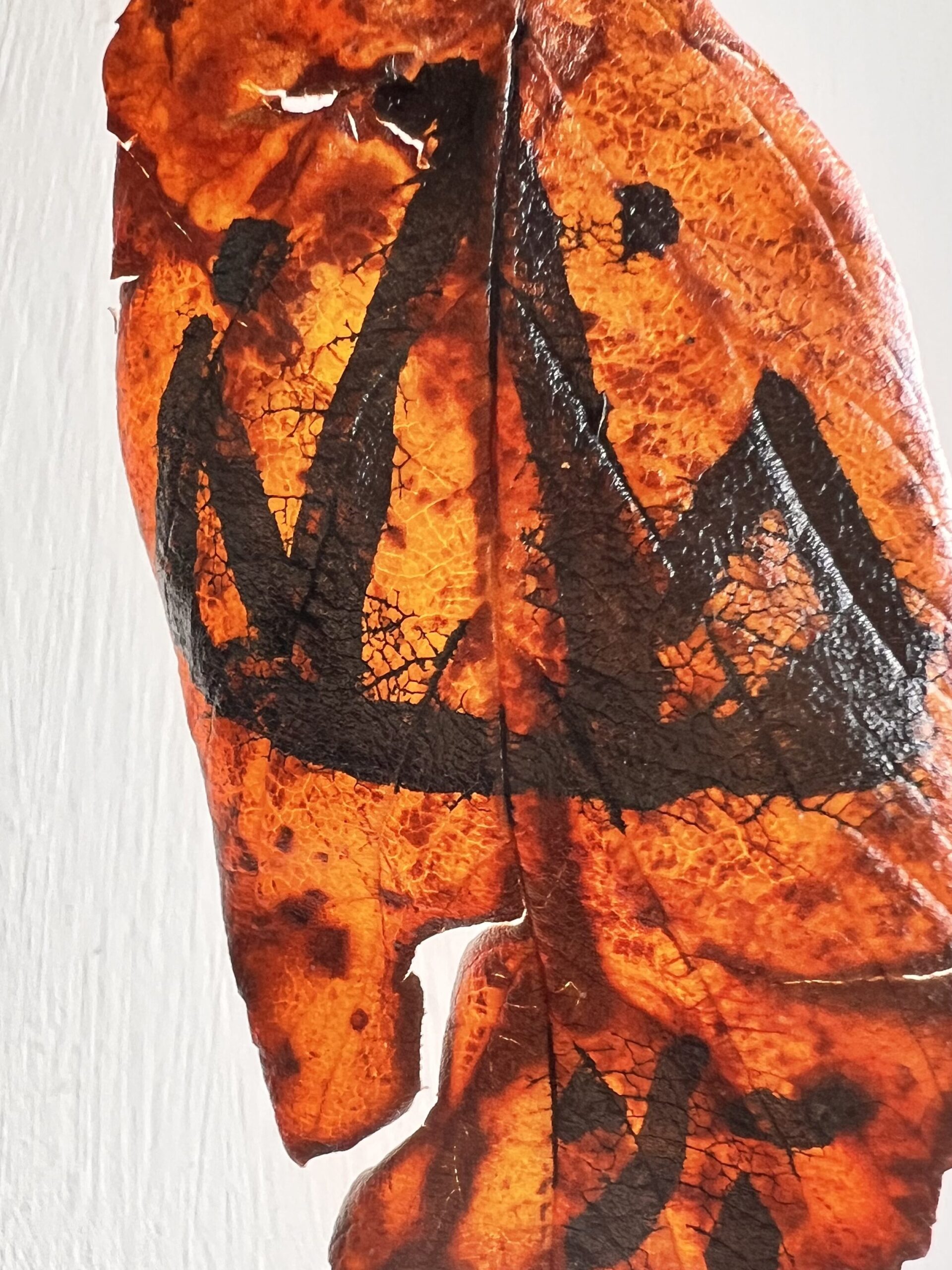
    mountain spring on Magnolia

    Spring 泉 water streams out under rocky cliffs

    fire 火 A big bonfire

    fire on Magnolia

    Examples of oracle bones and bronze script on autumn leaves

    Ancient Theatre

    Have you ever seen a herd of deer running under the stars

    while thunder is rolling far away?

    autumn magnolia leave featuring Oracle Bone Script calligraphy for Deer 写着甲骨文鹿字的秋季玉兰树叶子
    deer
    yellow autumn witch hazel leaves featuring Oracle Bone Script calligraphy for Running, 写着甲骨文奔字的秋天金色金缕梅叶子
    running
    yellow autumn magnolia  leaves featuring Oracle Bone Script calligraphy for Star, 写着甲骨文星字的秋天金色玉兰树叶子
    stars
    yellow autumn magnolia  leaves featuring Oracle Bone Script calligraphy for Thunder, 写着甲骨文雷字的秋天金色玉兰树叶子
    thunder

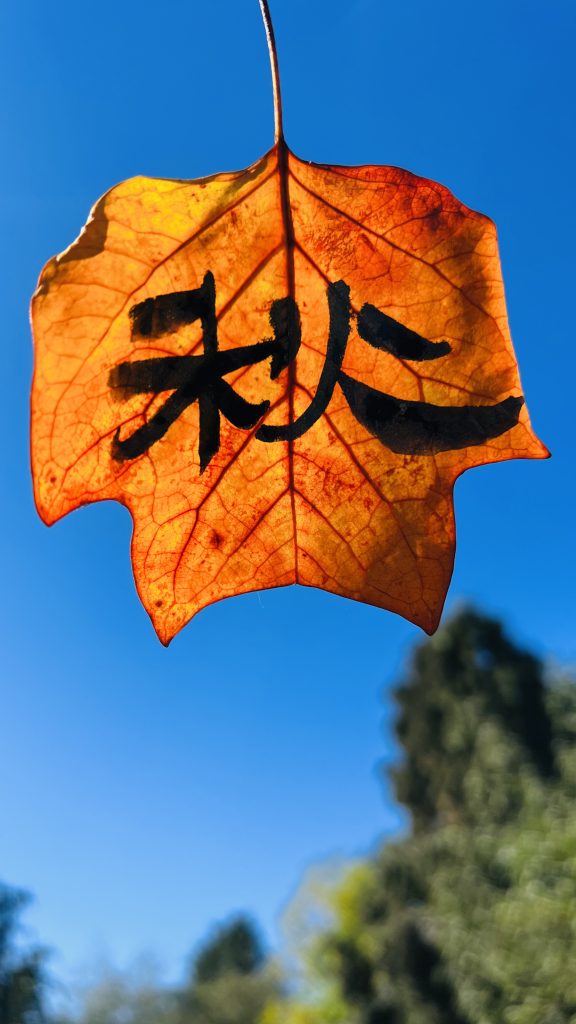
    The Chinese character “autumn” in five different script styles, on autumn leaves.